XXX-Mas Sales happening NOW! Up to 90% OFF!
From the Jazz Age to the Modern Era: The Influence of Underground Fashion and Counterculture on Mainstream Culture
The impact of modern countercultural movements on fashion and society extends beyond mere aesthetics. They encourage inclusivity, self-expression, and innovation, pushing the boundaries of what is considered acceptable or fashionable. Supporting and embracing these alternative voices is crucial for a more diverse and creative future. The contributions of counterculture artists and communities not only enrich the fashion landscape but also inspire a broader cultural dialogue, paving the way for new forms of expression and societal progress.
5/25/20243 min read
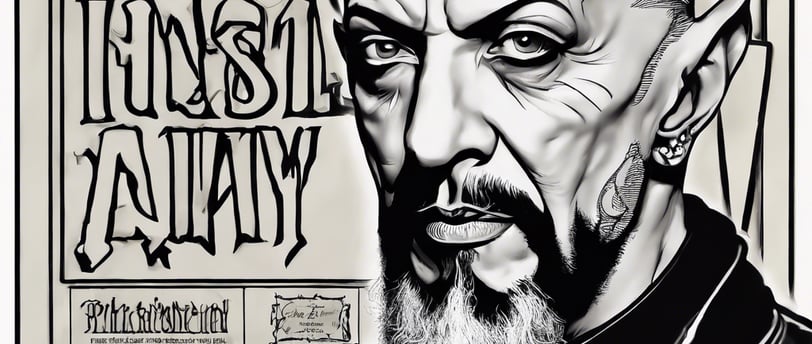
The Roots of Counterculture: From the Jazz Age to the 20th Century
The origins of counterculture movements can be traced back to the Jazz Age of the 1920s, a dynamic period that saw a significant rebellion against traditional social norms. Jazz music, characterized by its improvisational nature and vibrant rhythms, became the soundtrack of a generation eager to break away from the constraints of the past. This cultural shift was not limited to music alone; the fashion trends associated with jazz also challenged the status quo. Flapper dresses, bobbed haircuts, and relaxed fits became symbols of a new, liberated lifestyle that valued personal expression over conformity.
As we moved into the mid-20th century, the momentum of countercultural movements continued to grow. The 1950s saw the emergence of the Beat Generation, a group of writers and artists who sought to escape the superficiality of mainstream American society. Figures like Jack Kerouac and Allen Ginsberg became icons of this era, advocating for spontaneous creativity, spiritual exploration, and a rejection of materialism. Their works, such as "On the Road" and "Howl," resonated deeply with those disenchanted by the status quo, offering a blueprint for an alternative way of life.
The 1960s marked another significant chapter in the history of counterculture with the rise of the Hippie movement. This era was characterized by its embrace of peace, love, and communal living, standing in stark contrast to the prevailing values of competition and consumerism. Music once again played a pivotal role, with artists like Janis Joplin, Jimi Hendrix, and The Beatles providing the soundtrack to a generation in search of meaning beyond conventional boundaries. Fashion during this period also reflected a desire for freedom and individuality, with tie-dye shirts, bell-bottom jeans, and psychedelic patterns becoming emblematic of the era.
Throughout these decades, the influence of key figures and icons cannot be overstated. Individuals like Jack Kerouac, Allen Ginsberg, and Janis Joplin not only embodied the spirit of their respective movements but also inspired countless others to question mainstream values and explore alternative lifestyles. Their contributions laid the foundation for future countercultural movements, each building upon the legacies of those who dared to defy the norm.
Modern Counterculture: The Ongoing Impact on Fashion and Society
The evolution of counterculture from the late 20th century to the present day has had a profound influence on fashion and society. The punk rock movement of the 1970s and 1980s marked a significant shift, characterized by a distinct fashion style rooted in DIY ethics. Punk fashion, with its leather jackets, studded accessories, and rebellious attitudes, became a symbol of resistance against mainstream norms. This underground fashion trend not only challenged the status quo but also inspired a generation to embrace individualism and nonconformity.
Moving into the 1990s, the grunge movement emerged from the Seattle music scene, bringing with it a fashion style that quickly permeated mainstream culture. Grunge fashion, characterized by flannel shirts, distressed jeans, and oversized sweaters, reflected a sense of casual disarray and a rejection of the polished looks that dominated the previous decade. This period underscored the cyclical nature of fashion, where underground movements frequently transition into mainstream acceptance, thereby altering societal perceptions of style and identity.
In the contemporary landscape, countercultural movements continue to challenge and redefine fashion norms. Streetwear, for instance, has risen from urban youth cultures to become a dominant force in the fashion industry. Influenced by skateboarding, hip-hop, and graffiti art, streetwear blends comfort with a bold aesthetic, often incorporating graphic designs and high-end collaborations. Social media platforms amplify these trends, providing a global stage for alternative voices and fostering a continuous exchange of ideas.
The impact of modern countercultural movements on fashion and society extends beyond mere aesthetics. They encourage inclusivity, self-expression, and innovation, pushing the boundaries of what is considered acceptable or fashionable. Supporting and embracing these alternative voices is crucial for a more diverse and creative future. The contributions of counterculture artists and communities not only enrich the fashion landscape but also inspire a broader cultural dialogue, paving the way for new forms of expression and societal progress.