XXX-Mas Sales happening NOW! Up to 90% OFF!
Witchcraft: From Counterculture to Mainstream and Back
Supporting underground and counterculture artists is crucial not only for fostering a thriving and dynamic society but also for driving cultural innovation. These creatives challenge the status quo, inspire new ideas, and push the boundaries of what is possible in art and fashion.
5/23/20243 min read
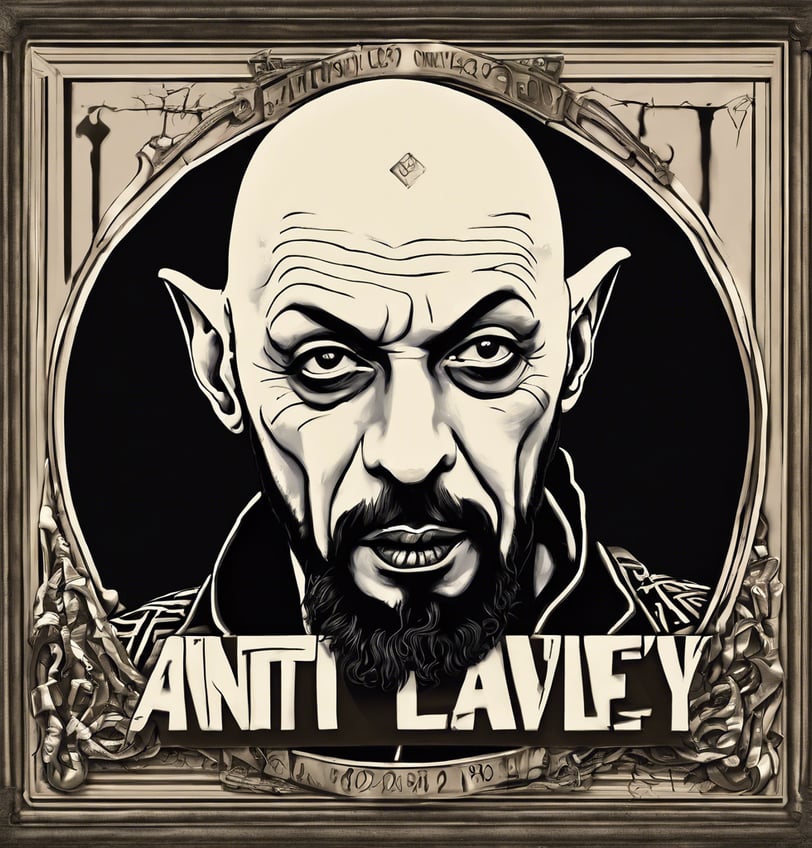

Why Supporting Underground Fashion and Counterculture Artists Is Vital for Cultural Innovation
In the ever-evolving landscape of culture, underground fashion and counterculture have played a pivotal role in shaping mainstream society. From the Jazz Age to the modern era, these movements have left an indelible mark on art, music, fashion, and entertainment. Supporting underground and counterculture artists is crucial not only for fostering a thriving and dynamic society but also for driving cultural innovation. These creatives challenge the status quo, inspire new ideas, and push the boundaries of what is possible in art and fashion.
The Jazz Age: Birth of Modern Counterculture
The Jazz Age of the 1920s is often considered the birth of modern counterculture. Jazz music, characterized by its improvisation and rhythmic complexity, emerged from African American communities and quickly became a symbol of rebellion against the rigid social norms of the time. Jazz clubs, often located in speakeasies, became melting pots of cultural exchange where racial and social barriers were blurred.
"Jazz was more than just music; it was a statement," said Dr. Emily Sanders, a historian at the University of Chicago. "It represented a break from the past, a new way of thinking and living."
Fashion mirrored this cultural shift. Flappers, with their short skirts, bobbed hair, and bold makeup, defied traditional gender norms and embraced a more liberated lifestyle. The flamboyant style of the Jazz Age set the stage for future counterculture movements, emphasizing individuality and freedom of expression.
The Hippie Era: Revolution Through Peace and Love
The 1960s and 1970s saw the rise of the hippie movement, a powerful counterculture that opposed the Vietnam War, embraced civil rights, and promoted peace and love. This era was marked by a profound connection between fashion, music, and social change. Psychedelic rock, folk music, and festivals like Woodstock became the soundtrack of a generation seeking to transform society.
"Hippies used fashion as a form of protest," said Lisa Rodriguez, a fashion curator at the Metropolitan Museum of Art. "Their clothing was a direct challenge to consumerism and the status quo."
Hippie fashion, characterized by bell-bottoms, tie-dye shirts, and fringed vests, became symbols of resistance against consumerism and conformity. The movement also drew inspiration from various global cultures, incorporating elements like Indian fabrics and Native American jewelry. The hippie era demonstrated how fashion could be a form of protest and a means to promote unity and environmental awareness.
Modern Era: Diverse Expressions and Digital Platforms
In the contemporary landscape, underground fashion and counterculture are more diverse than ever. The punk movement of the late 1970s and early 1980s introduced a raw, DIY aesthetic that continues to influence fashion and music today. Punk's ethos of anti-establishment and self-expression resonates with many modern subcultures.
"The internet has democratized fashion," said Alex Johnson, an independent designer based in New York. "It allows underground artists to reach a global audience without needing mainstream approval."
The digital age has provided new platforms for underground artists to share their work. Social media, online marketplaces, and streaming services allow for greater visibility and accessibility. However, the core principles of counterculture remain unchanged: challenging societal norms, promoting individuality, and fostering community.
Witchcraft: From Counterculture to Mainstream and Back
Historically, witches were often seen as symbols of counterculture, representing resistance against patriarchal and religious oppression. The persecution of witches in the Middle Ages and early modern period was driven by fear of the unknown and a desire to control marginalized groups.
"In recent years, we've seen a resurgence in the popularity of witchcraft, blending with contemporary fashion and lifestyle trends," said Dr. Sarah Walsh, an anthropologist at Columbia University. "Yet, true practitioners often return to the roots of counterculture, emphasizing personal empowerment and environmentalism."
The Importance of Supporting Underground and Counterculture Artists
Supporting underground and counterculture artists is vital for a dynamic and progressive society. These artists challenge conventional ideas, pushing the boundaries of creativity and innovation. By promoting diversity and alternative perspectives, they inspire cultural and social change.
"Investing in underground fashion, art, and music helps sustain these vibrant communities," said Rodriguez. "It enriches the cultural tapestry of society."
Whether it's attending independent art shows, purchasing from small designers, or streaming music from emerging bands, every act of support contributes to a thriving creative ecosystem.
Conclusion
From the Jazz Age to the modern era, underground fashion and counterculture have continuously shaped mainstream culture. These movements, driven by a desire for self-expression and social change, highlight the importance of embracing and supporting alternative voices. By celebrating the creativity and courage of counterculture artists, we pave the way for a more exciting, inclusive, and innovative future.